
Overview
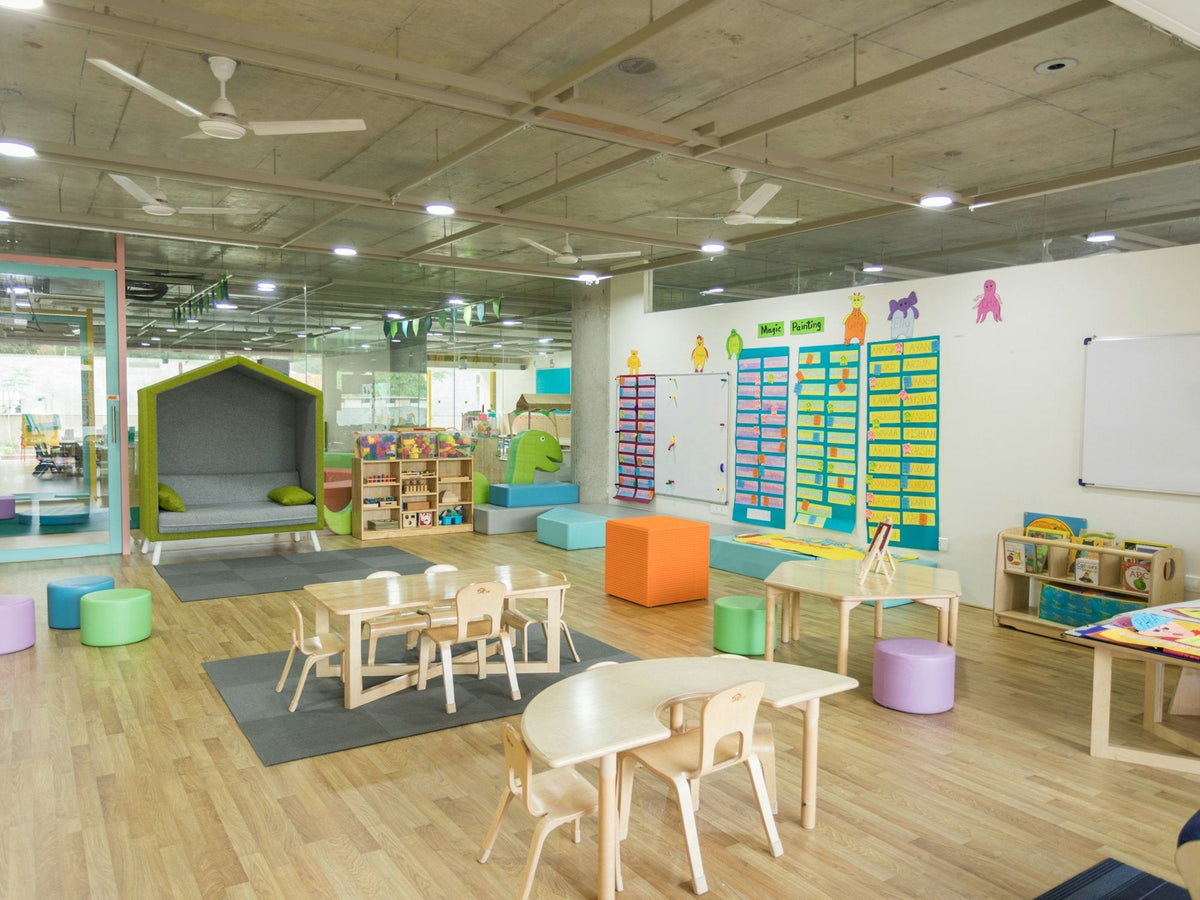
Some daycares take glass bottles and some don’t. It comes down to your state’s child care licensing rules and the center’s own policy. Ask before you buy a daycare set.
Glass isn’t banned across the board. National child care standards list glass bottles with a silicone sleeve as an acceptable choice. [1] Washington’s licensing rules allow glass bottles, [2] and North Carolina’s environmental health agency has said no sanitation rule prohibits them. [3]
Ask first Is glass allowed? Is a sleeve or wrap required?
Label everything Your baby’s name and the date, on every bottle and container. [4]
Send a note The nipple flow you use, how much your baby usually takes, and the signs they’re full.

What the rules say
There’s no single national rule. Each state licenses its own child care, and centers can set stricter policies on top.
| Source | What it says about bottles |
|---|---|
| Caring for Our Children, national standards for child care (AAP, APHA and the National Resource Center) | Avoid plastics containing BPA or phthalates. Use glass bottles with a silicone sleeve, or bottles made of safer plastics such as polypropylene or polyethylene. [1] Its warming standard also lists glass with a silicone sleeve as permissible. [5] |
| Washington State, licensed child care (WAC 110-300-0280) | Use bottles and nipples in good repair, with no cracks. Use glass or stainless steel bottles, or plastic bottles labeled 1, 2, 4 or 5. Do not heat a bottle in a microwave. [2] |
| North Carolina environmental health, child care rules Q&A (2023) | “There is no sanitation rule prohibiting the use of glass bottles.” Centers are told to check with their licensing consultant. [3] |
| American Academy of Pediatrics, for parents | Glass bottles can be an alternative to plastic, but be aware of the risk of injury if a bottle is dropped or broken. [6] |
Even where the state allows glass, a center can still say no. Staff are looking after several babies at once, and a glass bottle hitting the floor in a room of crawlers is a real worry. If you get a no, ask whether glass with a silicone covering would be OK.
Questions to ask your daycare
- Bottles. Do you take glass? What about glass with a silicone sleeve or wrap? Any limit on bottle size or type?
- Warming. How do you warm bottles? The national standard says warm water no hotter than 120°F (49°C), for no more than 5 minutes, and never a microwave. [5]
- Storage. Where’s the milk kept, and for how long? What happens to milk left in a bottle after a feed?
- Labels. What do you need written on bottles and containers?
- Feeding. Is my baby held for every bottle? The national standard says infants should always be held for bottle feeding, and bottles never propped. [7] Will staff pace the feed and stop when my baby’s full?
- Washing. Do you wash bottles, or send them home?
What to send each day
- One bottle per feed, plus a spare. One for each feed while you’re apart. The spare covers a long feed or a dropped bottle.
- Labels on everything. The CDC advises labeling breast milk with the date it was expressed and, for child care, your child’s name. [4] Ask if they want anything else on there.
- Milk in sensible portions. The CDC suggests storing breast milk in 2 to 4 oz portions, or the amount your baby takes at one feed, so less goes to waste. [4]
- A cold bag. Insulated, with frozen ice packs. At drop-off, hand the milk over so it goes straight into the fridge.
- A little extra at first. The CDC suggests having extra milk ready for the first day or week of child care. [8]
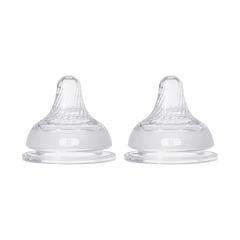
- Spare nipples. In your baby’s flow, so a lost or damaged nipple never gets swapped for a faster one.
- A feeding note. The flow, how much and how often your baby feeds, hunger and fullness signs, and how you pause and burp.

If your baby is breastfed
Start bottle practice before your first day back. USDA WIC suggests one or two bottle feeds a day in the week or two before you return, and notes your baby may take several days to adjust. [9]
The CDC suggests you start pumping a few weeks ahead, to build up milk and get your baby used to a bottle. [8] Breastfed babies may take a bottle more easily from someone other than you, [10] so hand it to your partner or a grandparent.
At daycare, ask for a slow flow and a bottle held close to level. That way your baby sets the pace.
Sending glass, safely
- Inspect every bottle every day. Chipped or cracked means it’s done.
- Pack it padded. Upright in an insulated bag, not rolling around the bottom of a backpack.
- No walking with bottles. A 20-year US study of injuries from bottles, pacifiers and sippy cups found most happened when a child fell while using one. Most were cuts, usually to the mouth. [11] That’s true of every bottle material, so ask that your baby drinks sitting down and that bottles are put away after feeds.
Where the Wrapped Glass Bottle fits
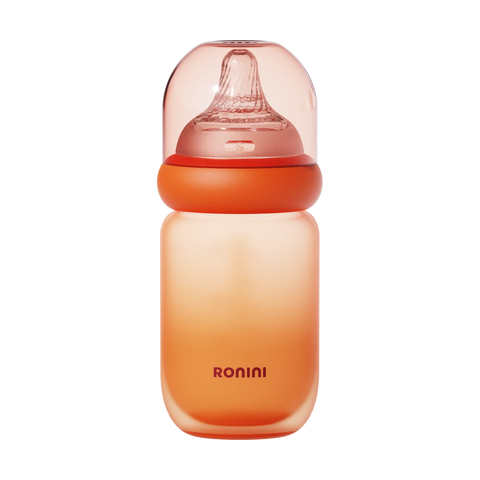
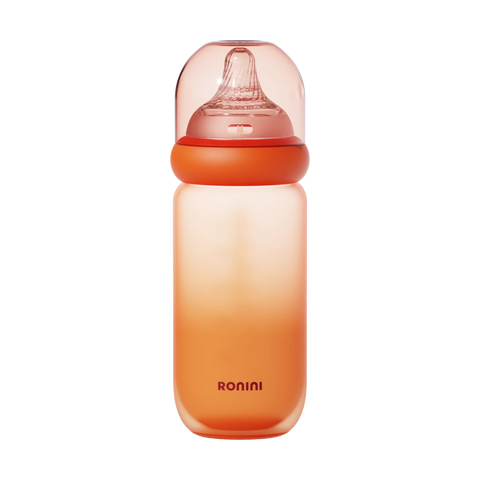
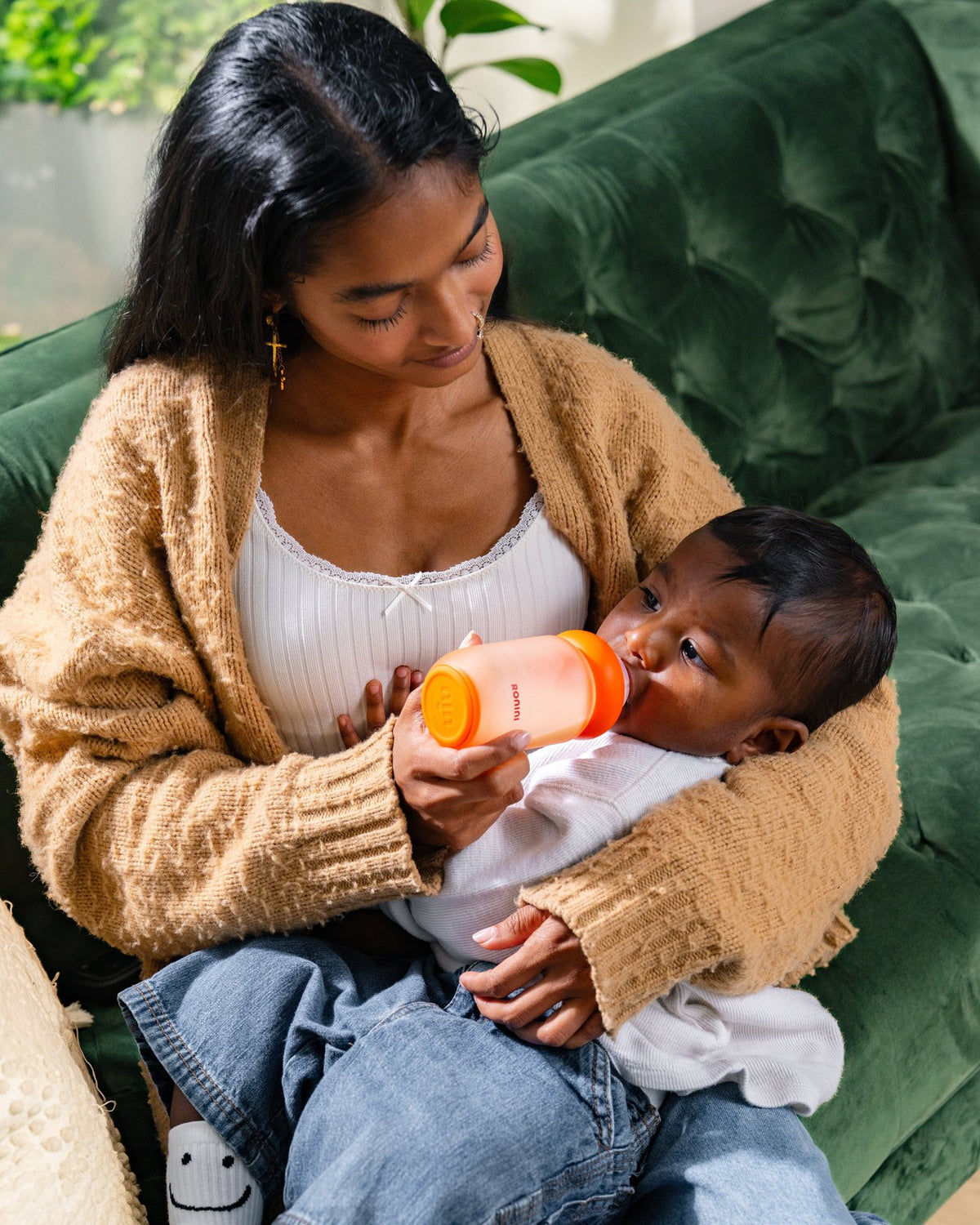
The Wrapped Glass Bottle is borosilicate glass with food-grade silicone shaped directly around the outside, thicker at the base. There’s no separate sleeve, so nothing slides off or has to come off for washing.
The wrap adds grip and some cushioning. It’s still glass, and it can still break, so check it every day like any glass bottle.
Some daycares that turn down bare glass will accept a wrapped glass bottle. Others won’t. Ask your center before you send it.
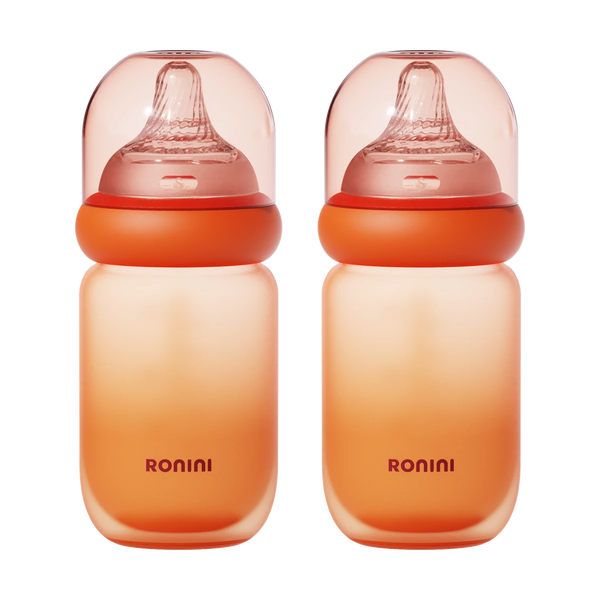
Bottles
A borosilicate glass baby bottle with a bonded silicone exterior for added grip and everyday impact protection.
From $60
Shop nowRead what our bottles are made of · Read: how many bottles you need
Disclosure This guide is published by Ronini, and The Wrapped Glass Bottle is our product. Rules for child care vary by state and by center, and nothing here guarantees that a center will accept a particular bottle.
Frequently asked questions
Do daycares allow glass baby bottles?
Some do, some don’t. National child care standards list glass bottles with a silicone sleeve as acceptable, and some states’ rules allow glass. Each center still sets its own policy, so ask before you buy.
Are glass bottles with a silicone sleeve allowed in child care?
Caring for Our Children, the national standards, names glass bottles with a silicone sleeve as an acceptable choice. Your state’s rules and your center’s policy still decide. Check both.
How many bottles should I send to daycare?
One per feed while you’re apart, plus a spare, unless your daycare asks for something different.
How should I label bottles for daycare?
Your baby’s name and the date the milk was expressed or made. Add anything else your center asks for.
Can daycare warm bottles in the microwave?
It shouldn’t. The national child care standard says bottles should never be warmed in a microwave, because of uneven hot spots. Washington’s rules forbid it in licensed child care.
What if my daycare says no glass?
Send the bottle they do accept on daycare days and keep glass for home. Pick a nipple that feeds at about the same pace as the one you use at home, and ask staff to watch the first few feeds for gulping or coughing.
References
Sources & references
- [1] Caring for Our Children (AAP, APHA, National Resource Center). Standard 4.3.1.5: Preparing, Feeding, and Storing Infant Formula. Archived copy.
- [2] Washington State Legislature. WAC 110-300-0280: Bottle preparation. Effective August 2019.
- [3] North Carolina DHHS, Environmental Health. Child care sanitation rules training: questions and responses. June 2023.
- [4] Centers for Disease Control and Prevention. Breast Milk Storage and Preparation. August 2026.
- [5] Caring for Our Children. Standard 4.3.1.9: Warming Bottles and Infant Foods. Archived copy.
- [6] American Academy of Pediatrics, HealthyChildren.org. Baby Bottles and Bisphenol A (BPA). September 2026.
- [7] Caring for Our Children, 4th edition. Standard 4.3.1.8: Techniques for Bottle Feeding.
- [8] Centers for Disease Control and Prevention. 5 Tips for Returning to Work and Breastfeeding. August 2026.
- [9] USDA WIC Breastfeeding Support. Using Bottles with a Breastfed Baby.
- [10] Centers for Disease Control and Prevention. About Feeding From a Bottle. March 2026.
- [11] Keim SA and colleagues. Injuries associated with bottles, pacifiers, and sippy cups in the United States, 1991 to 2010. Pediatrics. 2012.
General information, not medical advice. Your pediatrician knows your baby best. Last reviewed October 11, 2026.
Feeding notes from Ronini
Practical feeding tips, new products, and news from us.
Sign up for Ronini emails. Unsubscribe anytime. Read our Privacy Policy.
Further reading
Explore The Ronini Journal Bottle Care
 Gifts
Gifts Bottle Feeding


