
Overview
A newborn needs somewhere safe to sleep, a way to get home from the hospital, diapers, a few soft things to wear and a way to eat. For the first three months, that's most of it. This is the short list, and the things you can leave off.
Register for the first three months You'll know a lot more by month two: how your baby sleeps, how feeding is going, what you reach for and what sits in the box. Buy the rest then.
Size up Unless your baby comes early or small, newborn sizes are often outgrown in days. [1]
Be strict about sleep, relaxed about everything else Sleep is the one area where the rules are firm and the wrong product can be dangerous. For clothes and bath gear, almost anything works.

The short list
| Item | How many | Why |
|---|---|---|
| Crib, bassinet or play yard | 1 | A firm, flat mattress that doesn't indent under the baby, and doesn't tilt. [2] |
| Fitted sheets | 2 or 3 | The only thing that goes in the crib with the baby. One on, one in the wash, one for the 2 am change. [2] |
| Sleep sacks | 2 or 3 | They take the place of a blanket. Skip the weighted kind. [2] |
| Swaddles | 2, optional | Stop as soon as your baby shows signs of trying to roll. [3] |
| Rear-facing car seat | 1 | Infant seat or convertible. You'll need it to drive home from the hospital. [4] |
| Diapers and wipes | Small packs, newborn and size 1 | The AAP puts it at about 3,000 diapers in the first year. Try a brand before you stock up. [5] |
| Changing pad | 1 | On top of a sturdy dresser it does the job of a changing table. |
| Sleepers and bodysuits | 6 to 8, mostly 0 to 3 months | Snaps or zips down the front, nothing tight at the neck, no strings. [6] |
| Socks and caps | 4 pairs, 2 caps | Socks are all a baby's feet need until they walk. [1] |
| Washcloths and a towel | 1 set | Sponge baths until the cord stump falls off. [7] |
| Feeding | See the feeding list | A few small bottles, spare nipples and a brush. |
 Read next
The feeding section of a baby registry: a short, non-toxic list
Read next
The feeding section of a baby registry: a short, non-toxic list
Sleep is the place to be strict
The AAP's version is short. Baby on their back for every nap and every night, on a firm, flat surface, with a fitted sheet and nothing else. [2] Share a room for at least the first 6 months, but not a bed.
That rules out a lot of what gets sold as nursery gear. Bumpers, quilts, pillows, positioners, anything plush. A bare crib looks unfinished, we know. That's how it's meant to look.
If your baby falls asleep in the car seat, the swing or the carrier, move them to their crib or bassinet when you can. [2]
One car seat, rear-facing
An infant seat is small, has a handle and clicks into a base that stays in the car. A convertible is bulkier, has no handle, and lasts years longer: most let a child ride rear-facing to age 2 or beyond. [4] If you want one seat and done, the convertible is the minimalist pick. If you'll be in and out of the car a lot with a sleeping baby, the infant seat earns its keep.
Skip a secondhand seat unless you know its history. A seat that's expired, recalled, missing parts or been in a moderate or severe crash shouldn't be used. [4]

What you can leave off
- Crib bumpers. Padded bumpers have been banned from sale in the US since 2022. [8] Mesh liners aren't banned, but the AAP says to skip them too. [9]
- Inclined sleepers, loungers and positioners. Inclined sleepers are banned. [8] The FDA says not to use sleep positioners at all. [10] Loungers are for awake time only. [9]
- Weighted sleep sacks and swaddles. The AAP and CPSC both say don't use them. [11]
- A bath seat. It isn't a safety device, and it can tip. [7] A newborn gets sponge baths at first anyway.
- Baby shoes. Socks until they walk. [1]
- A changing table. Optional. A pad on a dresser works. Wherever you change, keep a hand on the baby. [12]
- A wipe warmer, a bottle warmer, a dedicated sterilizer. Nice if someone insists. You won't miss them.
The feeding part
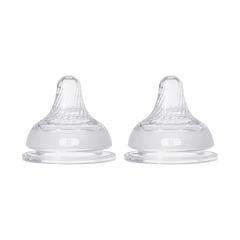
Feeding gets its own list, because how you'll feed is the thing you know least before the baby arrives. The short version: two to six small bottles, a spare set of nipples in the slowest flow, a brush, and your dishwasher.
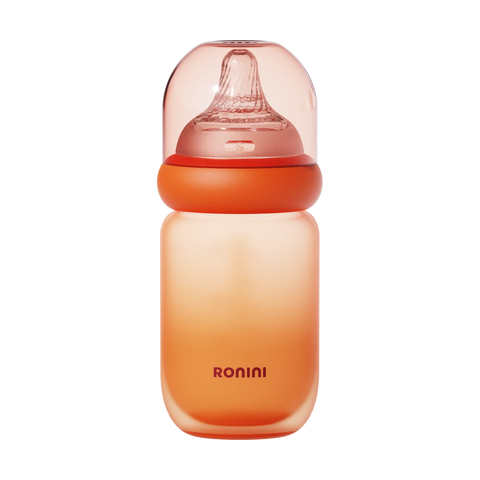
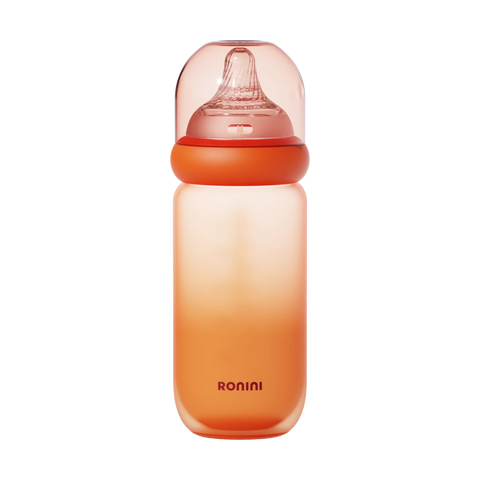
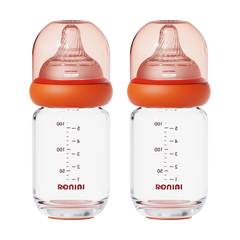
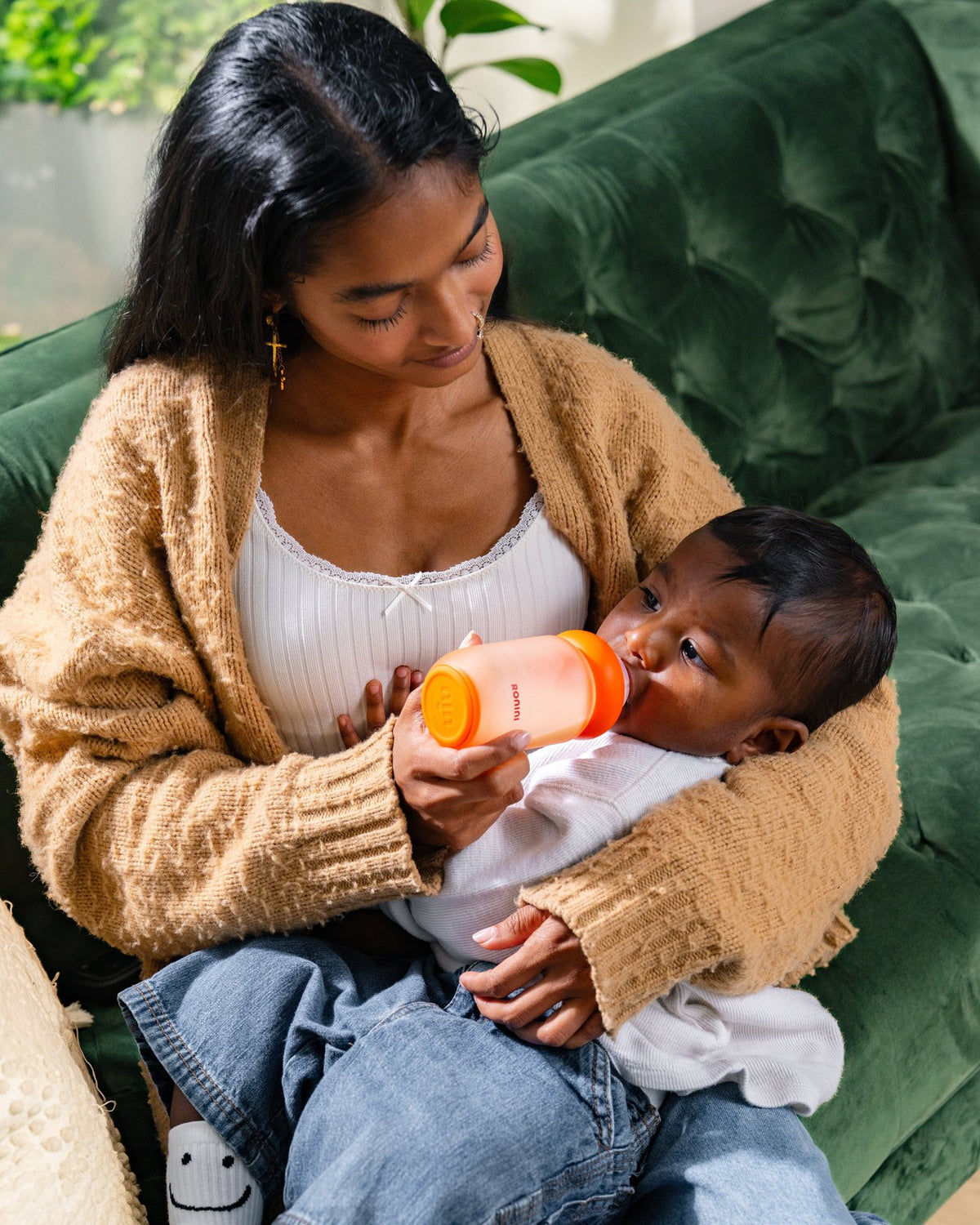
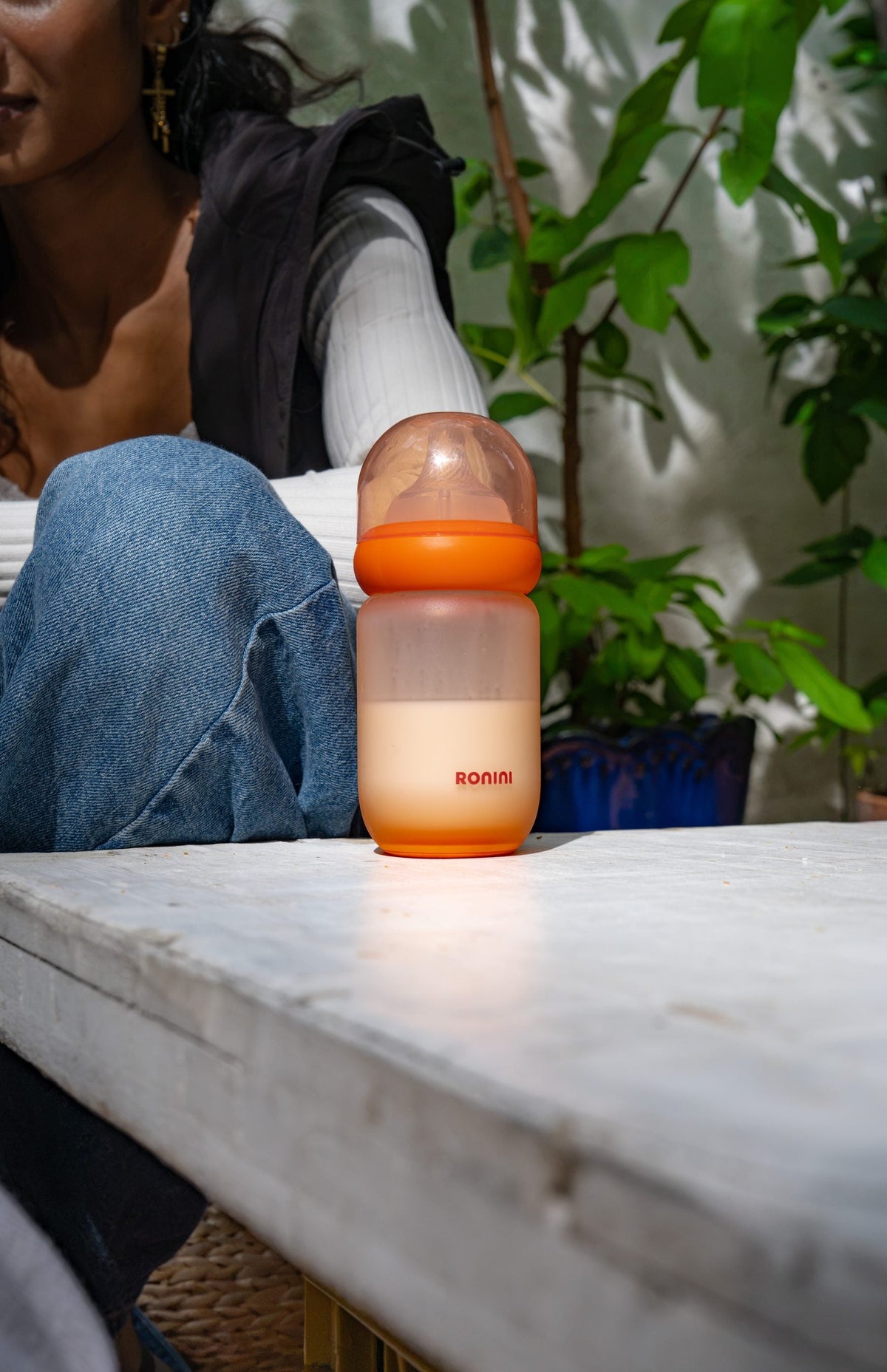
If you'd like the bottles to be the one nice thing on a short list, ours are glass. The Wrapped Glass Bottle is borosilicate glass with food-grade silicone molded on, and it comes in 5 oz and 8 oz 2-packs. For a newborn, the 5 oz is the one to start with.
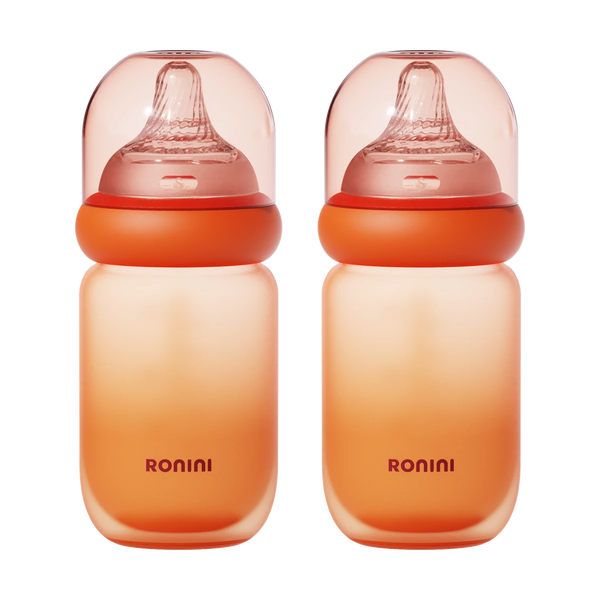
Bottles
A borosilicate glass baby bottle with a bonded silicone exterior for added grip and everyday impact protection.
From $60
Shop nowDisclosure This list is published by Ronini, and we sell baby bottles and nipples. Everything else on it is a category, not a brand.
Frequently asked questions
What do you actually need for a newborn?
A safe place to sleep, a rear-facing car seat, diapers and wipes, a few sleepers, sleep sacks, and feeding gear. Most other things can wait until you see what your days look like.
How many onesies does a newborn need?
Six to eight sleepers and bodysuits is plenty if you do laundry every few days. Get most of them in 0 to 3 months, not newborn.
Do I need a changing table?
No. A changing pad on a sturdy dresser does the same job. Keep a hand on your baby every time.
What baby products should you avoid?
Crib bumpers, inclined sleepers, sleep positioners, weighted sleep sacks and swaddles, and loose bedding in the crib. Bath seats too.
Should I register for newborn-size clothes?
A few, at most. Unless your baby is early or small, they'll likely outgrow newborn sizes within days or weeks.
References
Sources & references
- [1] American Academy of Pediatrics, HealthyChildren.org. Choosing a Layette.
- [2] American Academy of Pediatrics, HealthyChildren.org. A Parent's Guide to Safe Sleep. September 2026.
- [3]American Academy of Pediatrics, HealthyChildren.org. Swaddling: Is it Safe?
- [4] American Academy of Pediatrics, HealthyChildren.org. Car Seats: Information for Families. April 2026.
- [5] American Academy of Pediatrics, HealthyChildren.org. Buying Diapers.
- [6] American Academy of Pediatrics, HealthyChildren.org. Dressing Your Newborn.
- [7] American Academy of Pediatrics, HealthyChildren.org. Bathing Your Newborn. July 2025.
- [8] U.S. Consumer Product Safety Commission. CPSC Approves Rules Implementing Bans on Inclined Sleepers for Infants and Crib Bumpers. August 2023.
- [9] American Academy of Pediatrics, HealthyChildren.org. Inclined Sleepers and Other Baby Registry Items to Avoid. May 2026.
- [10] U.S. Food and Drug Administration. Recommendations for Parents and Caregivers About the Use of Baby Products.
- [11] U.S. Consumer Product Safety Commission. Safe Sleep.
- [12] American Academy of Pediatrics, HealthyChildren.org. Changing Table Safety.
General information, not medical advice. Your pediatrician knows your baby best. Last reviewed October 15, 2026.
Feeding notes from Ronini
Practical feeding tips, new products, and news from us.
Sign up for Ronini emails. Unsubscribe anytime. Read our Privacy Policy.
Further reading
Explore The Ronini Journal Bottle Feeding
 Glass Bottles
 Glass Bottles


